
Call us on
1800-571-2244
E-mail us
mktg@foracespeciality.com
Resorcinolic Resins
The FORCORD Series consists of Resorcinol Formaldehyde Resins designed for dry bonding systems in tire manufacturing. These resins are critical for the adhesion of synthetic and brass-plated tire cords to rubber, offering an optimal balance of strong adhesion and excellent flex fatigue resistance.
All grades are supplied in pastille form.
Available Grades:
- FORCORD-1018 – Resorcinol – Formaldehyde Resin (Softening point 100–110°C)
- FORCORD-1020 – Aromatic Modified Resorcinol Formaldehyde Resin (Softening point 99-109°C)
- FORCORD-BPRF – Modified Resorcinol Formaldehyde Resin (Softening point 100-110)
- FORCORD- RSB50 – Homogeneous Blend of Resorcinol and Silica
- FORCORD-RSB80 – Homogeneous Blend of Resorcinol and Silica

Tackifier & Super Tackifier Resins
Our FORTACK range of tackifier and super tackifier resins is specially engineered to enhance tack, adhesion, and processability in rubber compounding. These thermoplastic alkylphenol-based resins offer excellent initial and long-term tack retention, improve extrudability, and ensure superior bonding in synthetic and natural rubber formulations.
Designed for high-performance applications, Fortack resins are widely used in tyres, conveyor belts, footwear, and cushion compounds subjected to severe dynamic loading.
All grades are supplied in low-dust pastille form.
Key Product Grades:
- FORTACK 2100 – PTOP Formaldehyde Resin (Softening point-95-105)
- FORTACK 2105 – PTOP Formaldehyde Resin (Softening point-100-110)
- FORTACK 2130 – PTBP Formaldehyde Resin (Softening point-120-132)
- FORTACK 2145 – PTBP Acetaldehyde Resin/Super tackifier Resin (Softening point-135-150)
- FORTACK 2145 M – Modified PTBP Aldehyde Resin/Super tackifier Resin (Softening point-135-150)
Sustainable grades:
- FORTACK 2090 – PTOP Formaldehyde Resin (Softening point-90-95) 10-15 % Sustainable
- FORTACK 2130S – Modified PTBP Formaldehyde Resin (Softening point- 90-100) 65% Sustainable
- FORTACK 1802 – Modified hydrocarbon Resin (Softening point- 90-100) 15% sustainable

GUM Rosin- 100% sustainable
Gum Rosin is a natural resin derived from pine trees and is widely used as a tackifier in the tire and rubber industry. It enhances green tack, processability, and bonding strength of rubber compounds, making it essential for efficient tire manufacturing.
All grades are supplied in lump form.
Available Grades:
- WW Grade – Clear transparent Pale-yellow Lumps (Softening Point 74-78 & Color Gardner 5-6)
- WG Grade – Dark Yellow Lumps (Softening Point Min 75 & Color Gardner 7-8)
- N Grade – Ambered-Coloured lumps (Softening Point Min 75 & Color Gardner 8-9)

Non-Sticky Rosin Pastilles- 100% sustainable
FORZIN-384 is a Non-Sticky Rosin Pastilles designed to address the handling challenges of traditional rosin. Unlike conventional sticky rosin, FORZIN-384 is processed into free-flowing, dust-free pastilles, making it much easier to handle on the production floor. This user-friendly material eliminates the need for manual handling and is compatible with automatic weighing systems, streamlining operations and improving efficiency. It is supplied in Pastilles form.
Available Grade:
- FORZIN-384 – Non-Sticky Rosin Pastilles

Terpene Phenolic Resins
Our FPP series of terpene phenolic resins are thermoplastic polymers made by the copolymerization of terpene hydrocarbons and phenol. These resins are widely used as tackifiers in rubber compounds, adhesives, hot melt coatings, and printing inks. Known for their excellent solubility and compatibility, FPP resins offer versatile bonding performance in both natural and synthetic rubber systems.
All grades are available in pastille form.
Available Grades:
- FPP 70 TP – Terpene Phenolic Resin (Softening point 70 ± 5°C) 74% Sustainable
- FPP 90 TP – Terpene Phenolic Resin (Softening point 90 ± 5°C) 78% Sustainable
- FPP 100 TP – Terpene Phenolic Resin (Softening point 100 ± 5°C) 76% Sustainable
- FPP 110 TP – Terpene Phenolic Resin (Softening point 110 ± 5°C) 79% Sustainable
- FPP 120 TP – Terpene Phenolic Resin (Softening point 120 ± 5°C) 81% Sustainable
- FPP 130 TP – Terpene Phenolic Resin (Softening point 130 ± 5°C) 86% Sustainable

Reinforcing Resins
Our FORCING range of reinforcing resins is formulated to significantly enhance the mechanical strength and durability of rubber compounds. These phenolic and modified resins are known for improving hardness, tear strength, abrasion resistance, and tensile properties—making them ideal for applications such as tyres, conveyor belts, brake linings, seals, hoses, and technical rubber goods.
All grades are available in pastille & powder form.
Key Product Grades:
- FORCING 3110 – Unmodified Phenol – Formaldehyde Resin (Softening point-100-120)
- FORCING 3115 – Unmodified Phenol – Formaldehyde Resin (Softening point-100-116)
Sustainable grades:
- FORCING 3349 – Tall Oil Modified Phenolic Resin (30 -35 %Sustainable)
- FORCING 3349 H – Tall Oil Modified Phenolic Resin Mixed with Hexa (30% sustainable)
- FORCING 3686 – Cashewnut Shell Liquid Modified Phenolic Resin (20-25 % Sustainable)
- FORCING 3686 H – Cashewnut Shell Liquid Modified Phenolic Resin with Hexa (20-22% sustainable)

Cut and Chipping Resistance Resins
Our FORCCR series of modified hydrocarbon resins are engineered to significantly enhance cut, chip, and chunking resistance in rubber compounds, particularly in TBR (Truck & Bus Radial) and OTR (Off-The-Road) tyre tread formulations. These resins improve mechanical strength, dynamic stiffness, and elongation—ensuring durability under harsh road and terrain conditions.
All grades are supplied in pastille form.
Available Grades:
- FORCCR 7100 – Poly (Dicyclopentadiene) Resin (Softening point 100–110°C)
- FORCCR 7125 – Poly (Dicyclopentadiene) Resin (Softening point 125–135°C)
- FORCCR 7140 – Poly (Dicyclopentadiene) Resin (Softening point 140–150°C)
- FORCCR 7150 – Poly (Dicyclopentadiene) Resin (Softening point 150–160°C)
- FORCCR 7315 – Aromatic modified poly(dicyclopentadiene) resin (Softening point 115–125°C)
- FORCCR 7335 – Aromatic modified poly(dicyclopentadiene) resin (Softening point 135–145°C)
Sustainable grades:
- FORCCR 7230 – Rosin modified poly(dicyclopentadiene) resin (Softening point 130–140°C) (35% Sustainable)
- FORCCR 7240 – Rosin modified poly(dicyclopentadiene) resin (Softening point 140–150°C) (30% Sustainable)

Butyl Curing Resin
FORBIND series resins are heat-reactive phenolic resins specifically developed for curing butyl rubber compounds. These resins deliver non-blooming, non-staining vulcanizates with high modulus and superior heat resistance, making them ideal for demanding applications like tyre curing bladders, gaskets, conveyor belts, and sealants. Higher methylol content in these resins is crucial as it leads to a more tightly networked polymer matrix, enhancing the mechanical strength, thermal stability, and performance, making them ideal for high-performance bonding or vulcanization.
Key Product Grades:
- FORBIND 1045 R – Heat-reactive octyl phenol-formaldehyde resin (Methylol Content 8.5-11)
- FORBIND 1045 L – Heat-reactive octyl phenol-formaldehyde resin (Methylol Content 7-9)

Carbon Black Coupling Agent
The FORCBC Series consists of high-performance Carbon Black Coupling Agents designed to improve rubber performance through enhanced interactions with carbon black. These agents are ideal for applications like tires, belts, seals, and other rubber products. It helps in better dispersion of carbon black. Our available grades include
Key Product Sustainable grades:
- FORCBC 90 – Fatty Acid Derived Triazole Derivative- Carbon Black Coupling Agent (80% Sustainable)
- FORCBC 145 – Organic Acid Derived Triazole Derivative- Carbon Black Coupling Agent (77% Sustainable)

Silica Processing aids
Silica processing aids are used in silica-reinforced rubber compounds to improve processing efficiency and overall compound performance. They help enhance processability during mixing and extrusion, enable faster cure characteristics, and improve tensile properties of the rubber compound. Additionally, they assist in reducing hysteresis, contributing to better dynamic performance and improved efficiency in tire and rubber applications.
Key Product Sustainable grades:
- FORAID-4016– Calcium Salts of Fatty Acids + Amide Esters (95 % sustainable)
- FORAID-4042– Blends of Fatty Acid Derivatives (88 % sustainable)
- FORAID-4044- Blends of Fatty Acid Derivatives (88% sustainable)
- FORAID-4046F- Blend of Fatty Acid Derivatives (84% sustainable)
- FORAID-4049- Blend of Fatty Acid Derivatives (80% sustainable)
- FORAID-4050- Zinc Soaps of Un-saturated Fatty Acids (85% sustainable)
- FORAID-4050P- Zinc Soaps of Un-saturated Fatty Acids (85% sustainable)
- FORAID-4050T- Blends of Zinc Salts of Fatty Acids (69% sustainable)
- FORAID-4060- Zinc Soaps of Un-saturated Fatty Acids (75% sustainable)
- FORAID-4060T- Zinc Soaps of Un-saturated Fatty Acids (75% sustainable)
- FORAID-4070- Zinc Soaps of Un-saturated Fatty Acids + Esters (70% sustainable)
- FORAID-4073- Mixture of Zinc Soaps of Aliphatic and Aromatic Acids (49% sustainable)
- FORAID-4074- Mixture of Zinc Soaps of Aliphatic and Aromatic Acids (58% sustainable)
- FORAID-4080- Blend of Fatty Alcohols + Fatty Acids + Lubricants (68% sustainable)
- FORAID-4086- Blends of Metal Complexes + Peptizing Agent + Dispersants (87% sustainable)
- FORAID-4212- Blends of Fatty Acids Esters + Inert Fillers (60 % Sustainable)
- FORAID-4222- High Molecular Weight Fatty Acid Esters (90-95 % sustainable)
- FORAID-4254- Blends of Substituted Fatty Acids (80% sustainable)
- FORAID-4276- Blends of Fatty Acid Soaps Mainly Aliphatic (68% sustainable)
- FORAID-4200- Mixture of Stearic Acid + Amine Salts (52% sustainable)
- FORAID-4000ZEH- Zinc 2-Ethylhexanoate
- FORAID ZG-4000 A- Zinc Salt of Fatty Ester Glycerol (80% sustainable)
- FORAID ZG-4000 B- Zinc Salt of Fatty Ester Glycerol (90% sustainable)
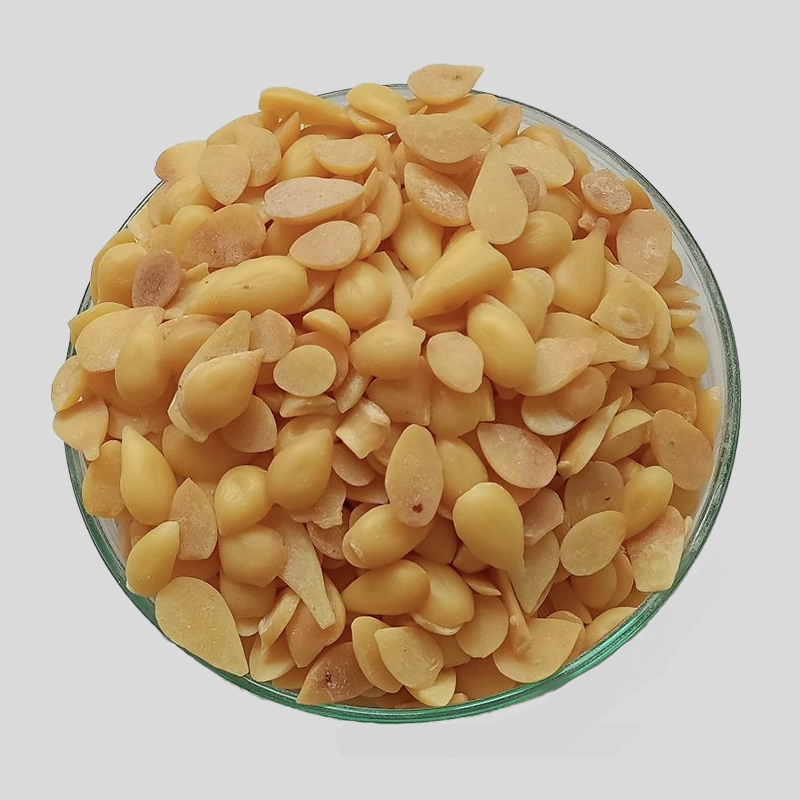
Single Component Bonding System
Single component bonding systems simplify rubber compounding by eliminating the need for separate resorcinol addition. They offer easy handling, good dispersion, reduced fumes compared to conventional resorcinol systems and provide improved adhesion with good flex-fatigue resistance in reinforced rubber applications
Key Product Grade:
- FOROC-RHSD-Resorcinol–HMMM– Precipitate Silica
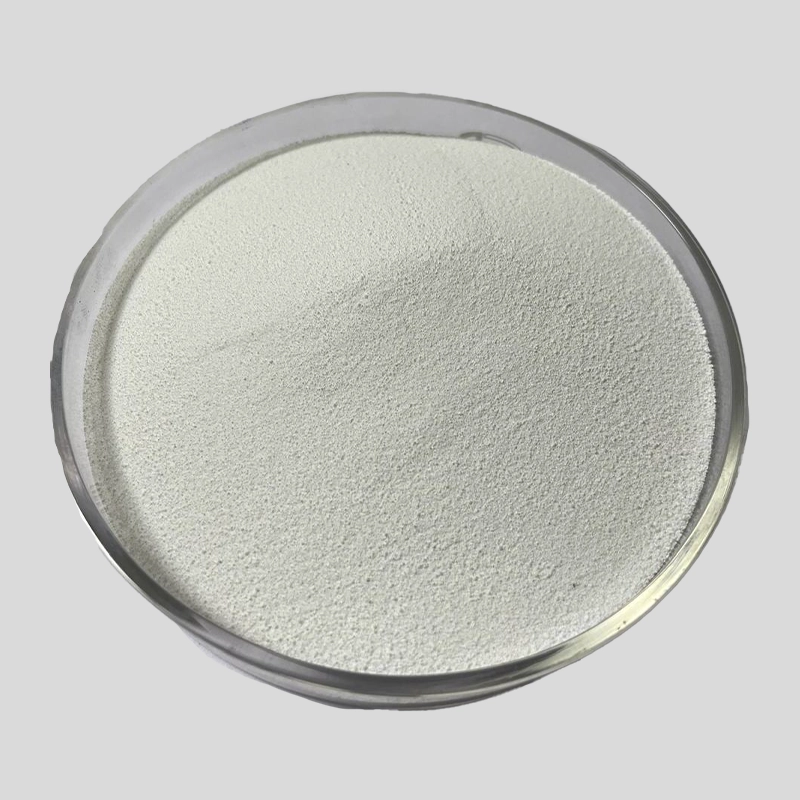
Non-Resorcinol Single Component Bonding System
Non-resorcinolic single-component dry bonding system designed to promote strong adhesion between rubber compounds and reinforcement materials such as steel cord, glass cord, polyester, and polyamide fibers. Compared to conventional resorcinol-based single-component systems, it offers safer handling, lower cost, reduced fumes, and low hygroscopicity, while ensuring easy processing, good dispersion, reliable adhesion, and excellent flex-fatigue resistance for applications such as conveyor belts, hoses, V-belts, and fabric proofing.
Key Product Grades:
- FOROC-CHSD- Cardanol–HMMM blend with silica dispersion (22 %Sustainable)
- FOROC-BHSD- Phenolic derivative HMMM blend with silica dispersion
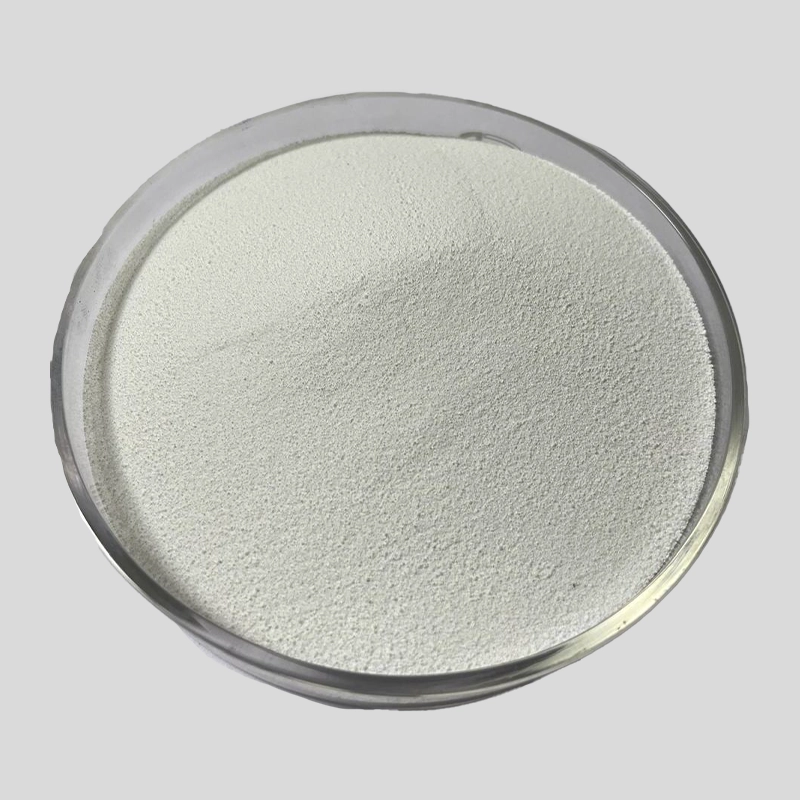
Silane Coupling Agent dispersed on Carbon Black
Silane coupling agents are used in silica-reinforced rubber compounds to improve the interaction between silica and rubber. They enhance filler dispersion, tensile strength, and abrasion resistance, while reducing VOC emissions and improving processing compared to liquid silanes. These coupling agents are widely used in passenger and truck tire tread and sidewall compounds, conveyor belts, hoses, V-belts, shoe soles, and other technical rubber goods.
Key Product Grade:
- FORSIC-8069C- Bis (Triethoxysilylpropyl) Tetrasulfide dispersed on carbon black.
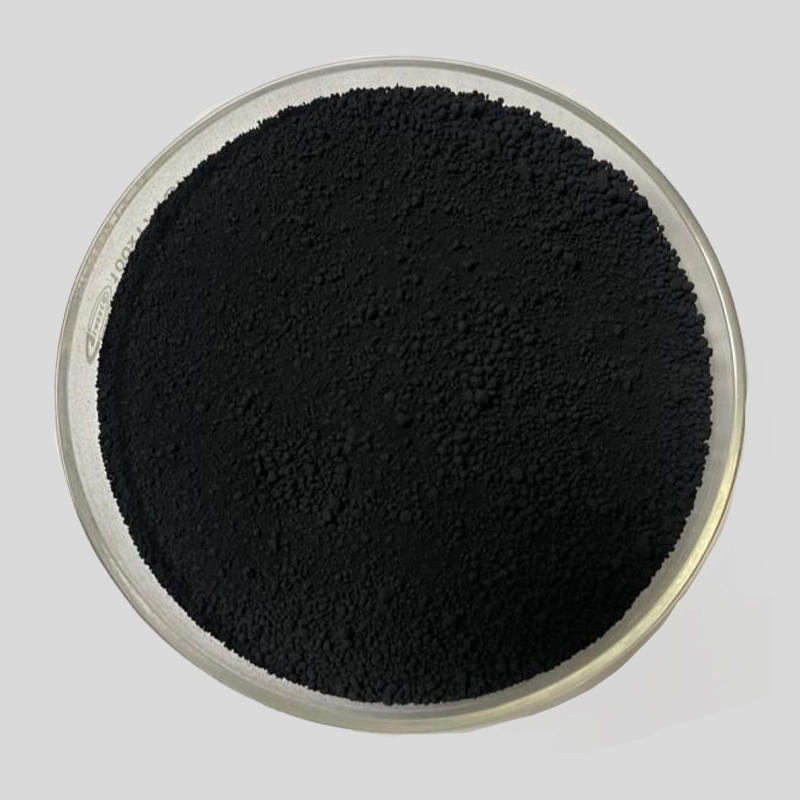
Release Agents for Tire & Rubber Industry
The tire and rubber industry requires precision, durability, and consistent performance. Our advanced release agents and specialty chemicals ensure smooth processing, reduce defects, improve surface finish and gloss, and enhance overall manufacturing efficiency.
Designed for modern tire and rubber production, our solutions help manufacturers achieve better productivity, reliability, and product quality.
Tire Applications
- FCM-419 – Permanent Bladder Coat
- FCM-419 PLUS – Improved Permanent Bladder Coat
- FUF-LUBE 729 – Unfilled Inside Lube
- FTH-LUBE 729 GREY – Filled Inside Lube
- FTH-LUBE 729 BLACK – Filled Inside Lube
- FCOAT 4891 – Permanent Mold Coat
- FCRA-100C – Semi-Permanent Mold Release Agent
- FCRA-100C20 – Semi-Permanent Mold Release Agent
- FLY-LUBE 629 – Outside Lube
- FW7-719 – Finish Paint / Repair Paint
- FRMB-289 – Rim / Uniformity Lube
- FL829 BR 40/700 – Inside Lube (Multi Release)
Rubber Applications
- FLUBE-139CK – Lubricant
- FCOAT-28CRS – Semi-Permanent Release Agent
- FTAC 907B – Batch-Off Agent
- FTAC 907A – Batch-Off Agent
- FTM-939 C60% – Rubber Moulding Applications
- FCOAT FR 53 GMT – Semi-Permanent Release Agent
- FCOAT-SR-16 V2 C – Semi-Permanent Release Agent

Silicone Emulsion for Tire & Rubber Industry
Our high-performance water-based silicone emulsions are designed for rubber mould release and surface finishing applications. They provide smooth mould release, improved rubber surface finish, and help reduce mould fouling, ensuring efficient processing in tire and rubber manufacturing.
Tire & Rubber Applications
- FORSILIC 25 – Rubber Mould Release Grade
- FORSILIC 27 – Rubber Surface Shine Grade
- FORSILIC 30 –High Dilution Grade for Automatic Spray Systems
- FORSILIC 32 – Low Residue Grade for Clean Mould Operation
Why Choose Our Silicone Emulsion
- Consistent mould release performance
- Improved rubber product finish
- Reduced mould maintenance
- Higher productivity and lower operating costs
- Environment-friendly water-based formulation


© 2026 Forace Polymers.